
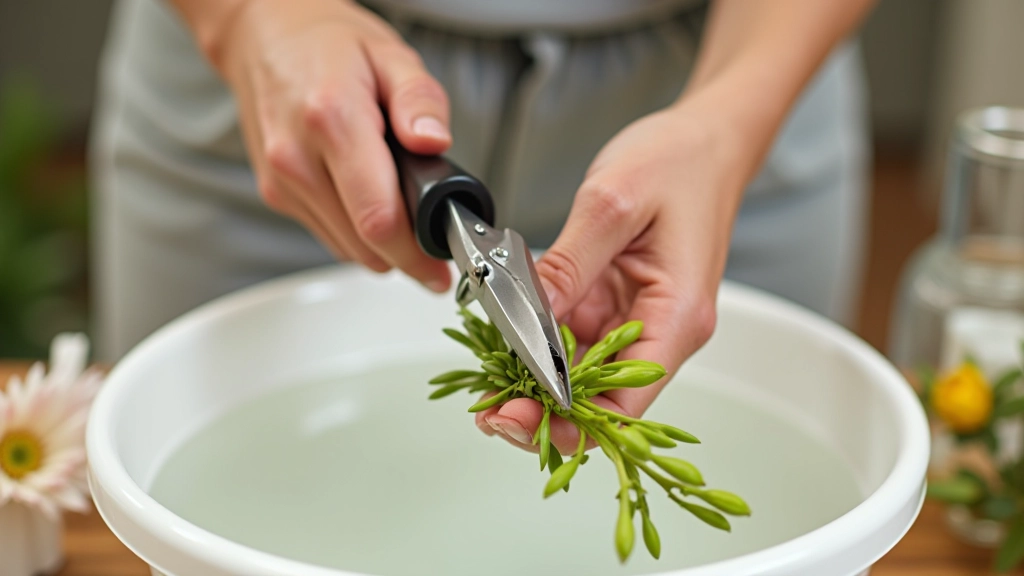
Keep Flowers Fresh Longer — Basic Care Tips
Simple daily habits that make a real difference. Water temperature, stem trimming, and placement all matter more than you'd think.
Read GuideLearn what to consider when selecting flowers — from color schemes that match your home to bloom types that last longer in your climate.
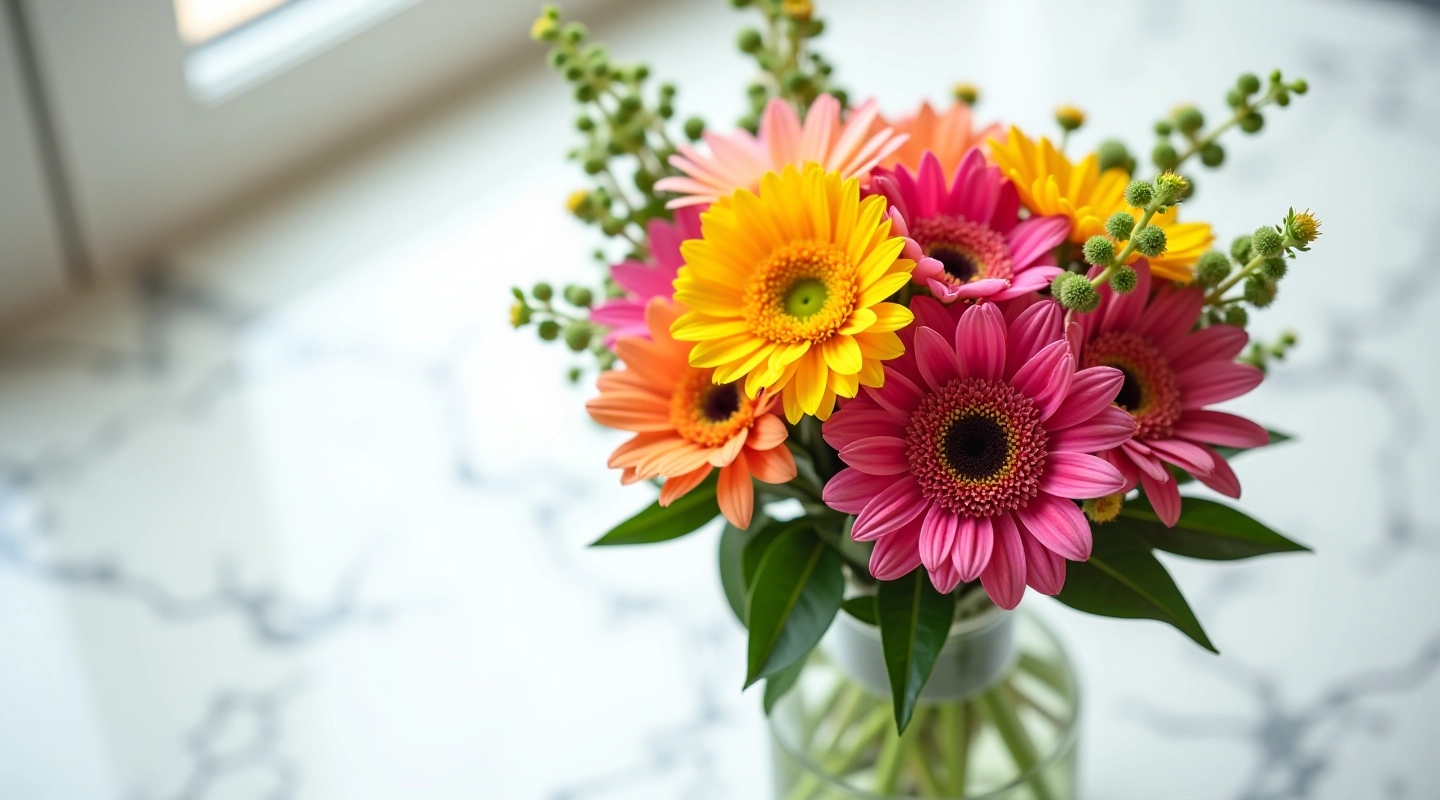
Choosing flowers isn't just about what looks pretty. It's about what works in your home. Before you pick a single stem, think about where those flowers will sit. A bright, sunny windowsill needs different flowers than a corner desk with softer light. The room's temperature matters too — some blooms wilt quickly in warm spaces, while others actually thrive there.
We're going to walk you through the main things to consider. By the end, you'll know exactly what questions to ask when ordering your next bouquet.
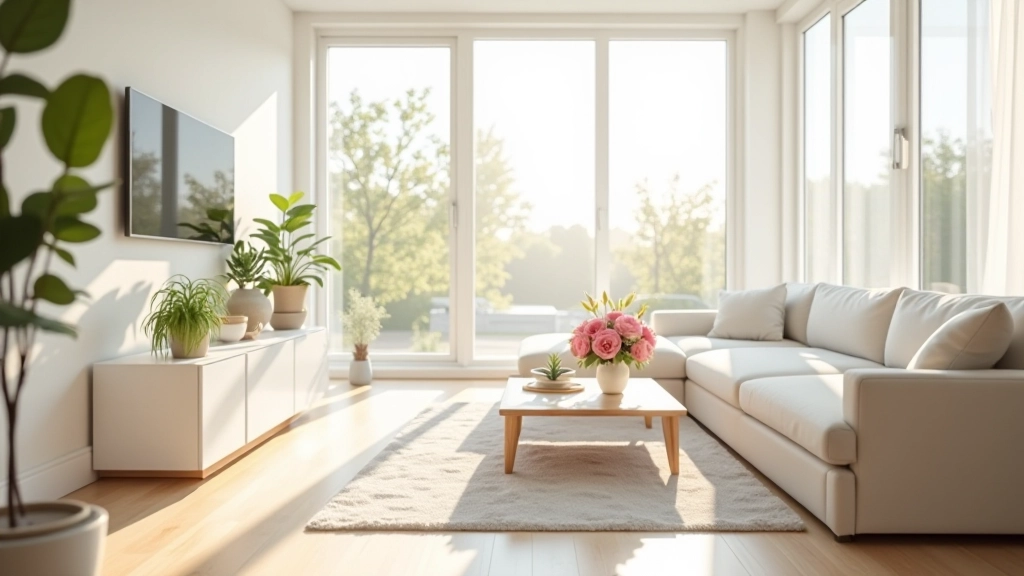
The easiest way to choose flowers is to match your room's existing colors. If your walls are neutral — whites, grays, soft beiges — you've got freedom. Nearly any color works. But if you've got bold walls or specific accent colors, flowers can either blend beautifully or clash hard.
Pink flowers work great in spaces with warm tones. Deep purples and blues fit modern, cooler spaces. Yellows and oranges brighten darker corners. The rule isn't complicated: pick a bouquet that echoes what's already in the room. If your sofa is cream-colored and your throw pillows are blush pink, a bouquet with pinks and whites will look intentional. Not random.
Also consider the vase you'll use. A clear glass vase shows off colorful stems and works with almost any flower. But if you're using a ceramic or colored vase, that becomes part of the color equation too.

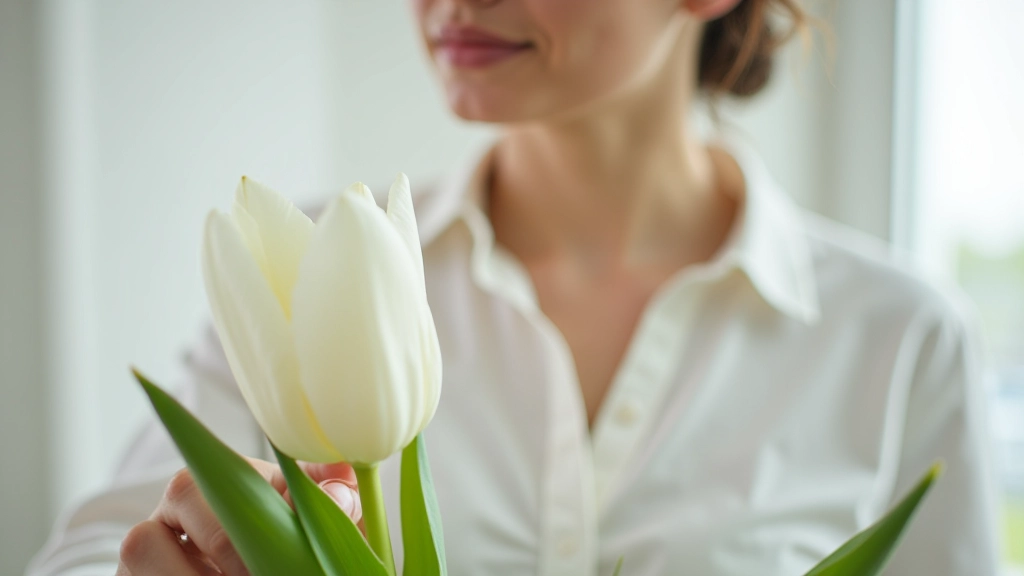
Different flowers last different lengths of time. Roses? They're reliable — usually 7-10 days if you care for them properly. Tulips tend to last around 5-7 days. Lilies are incredible, lasting 10-14 days easily. But here's the thing: a bouquet with multiple bloom types will start looking patchy as some flowers fade before others.
If you want consistency, ask for bouquets where most flowers have similar lifespans. Or embrace the change. Some people love that bouquets transform over time. A mixed arrangement starts full and dense, then gradually becomes a simpler, smaller display by day 10. It's not better or worse — it's just different.
Pay attention to whether blooms are fully open or still closed. Open blooms give instant impact but fade faster. Tighter buds take a few days to open but last longer overall. If you're ordering for next week, slightly-closed buds might be perfect timing.
Some flowers have strong scents. Gardenias, tuberose, and oriental lilies fill an entire room with fragrance. Some people love that. Others find it overwhelming, especially in smaller spaces. If you're ordering for someone else, ask whether they prefer lightly scented or unscented options.
Don't pick flowers that are toxic to your pets. Lilies are gorgeous but dangerous for cats. Tulips, daffodils, and sago palms are risky too. If you have animals at home, mention that when ordering. Most florists know alternatives that are equally beautiful.
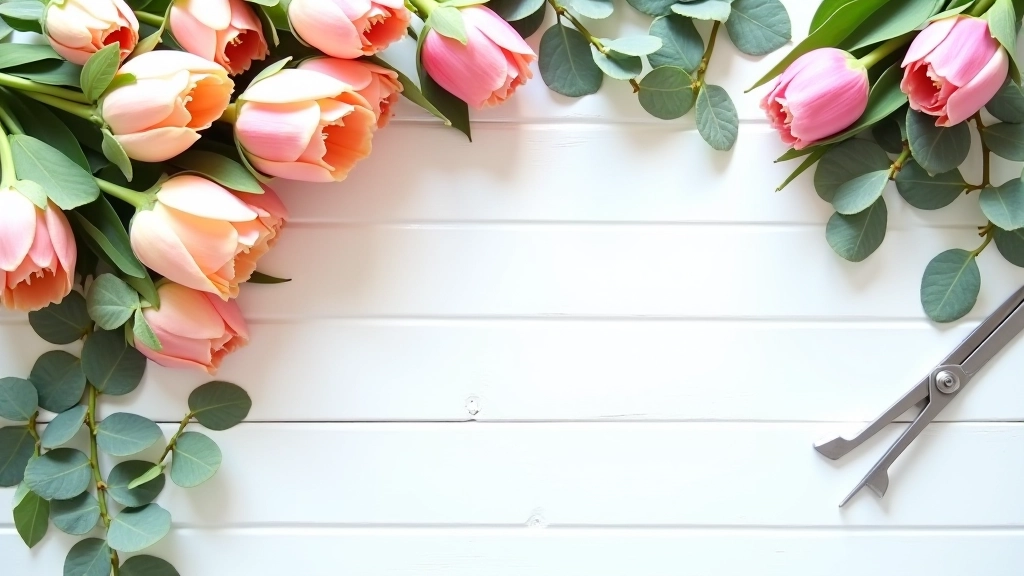
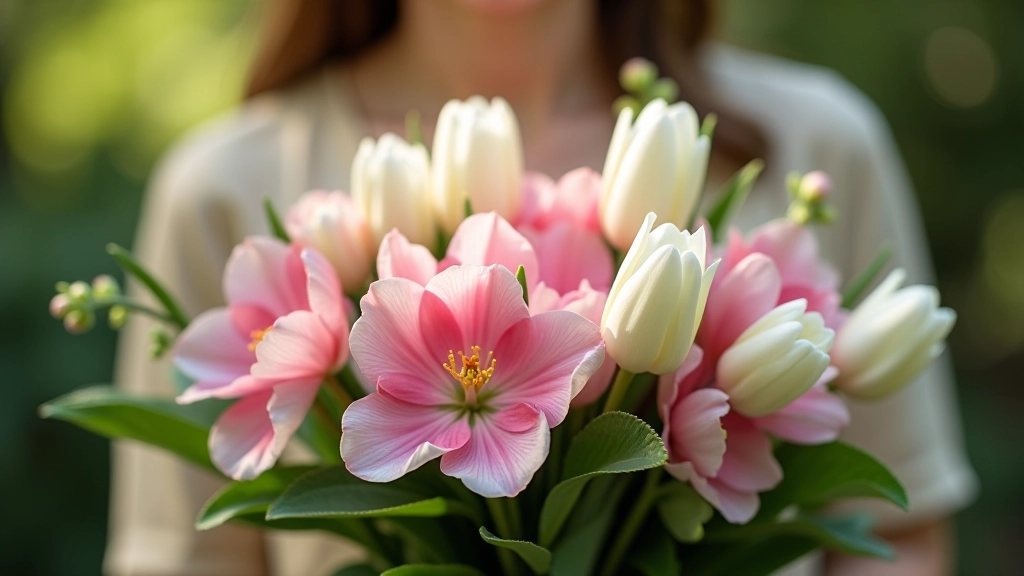
In summer, dahlias, sunflowers, and zinnias are abundant and affordable. They're also bold and cheerful — perfect for hot months. Winter brings darker roses, amaryllis, and evergreen elements. Spring is all about tulips, daffodils, and hyacinths. Fall offers chrysanthemums, celosia, and deeper tones.
When you order seasonal flowers, two things happen. First, they're fresher because they're actually in season where you live. Second, they're usually cheaper because florists aren't importing them from far away. A summer sunflower bouquet in July is different from one ordered in December. Choose what's naturally available in your season, and you'll get better quality.
In Kaunas specifically, summer gives you access to locally-grown tulips and roses. Winter means fewer local options, but importers bring in excellent amaryllis and imported roses. Talk to your florist about what's local versus imported. Local is fresher. Imported offers more variety but shorter vase life sometimes.
At the end of the day, choosing a bouquet is personal. You might want flowers that match your couch. Or you might want something completely different that makes a statement. You could want the longest-lasting option. Or you might prefer blooms that open gradually so the bouquet feels fresh all week.
There's no wrong choice. The "perfect" bouquet is the one that makes you happy when you see it sitting on your table. If you can answer these questions — what colors work in my space, what lifespan do I want, what's my environment like — you're already way ahead. You've got the framework to pick something you'll actually love.
Most florists are happy to help if you describe what you're looking for. Tell them your room's colors, your light situation, whether you want something that lasts two weeks or transforms over time. They'll guide you to options that work. That's what they do best.
Discover guides to help you get the most from your weekly bouquets
Simple daily habits that make a real difference. Water temperature, stem trimming, and placement all matter more than you'd think.
Read Guide
Spring brings tulips and daffodils. Summer offers roses and lavender. We break down what's available each season and why it matters for your bouquet.
Read Guide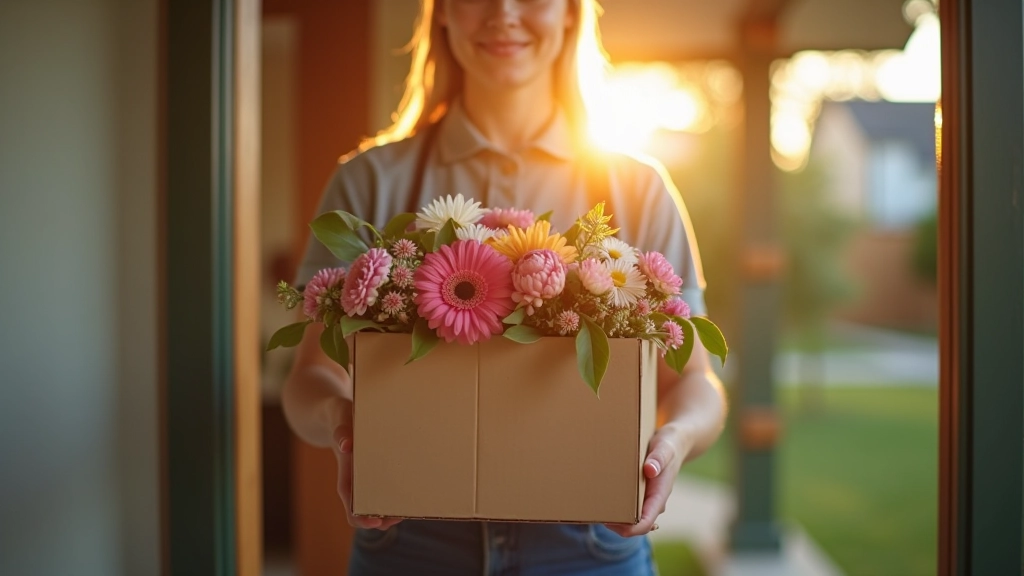
How subscriptions work in Kaunas, delivery schedules, packaging to protect your flowers, and what to do when they arrive.
Read GuideThis article provides general information about selecting and caring for fresh flowers. It's designed to help you make informed decisions about your weekly flower subscriptions. Every home, climate, and situation is different. Specific flower availability depends on your location and the season. We recommend discussing your preferences directly with your florist or subscription service to ensure the best selections for your individual needs and circumstances.