Why Flowers Fade Too Fast
Most cut flowers last only a few days before they start drooping. But it doesn't have to be that way. You're not fighting nature here — you're just working with it. The secret isn't some expensive product or complicated routine. It's understanding what flowers actually need once they're cut from the stem.
When flowers are harvested, they're still living plants trying to survive. They're no longer drawing water from roots, so they're essentially in survival mode. The right care tips can extend that vase life from three days to two weeks or more. We'll walk you through the techniques that actually work.
Start With Water — Temperature Matters
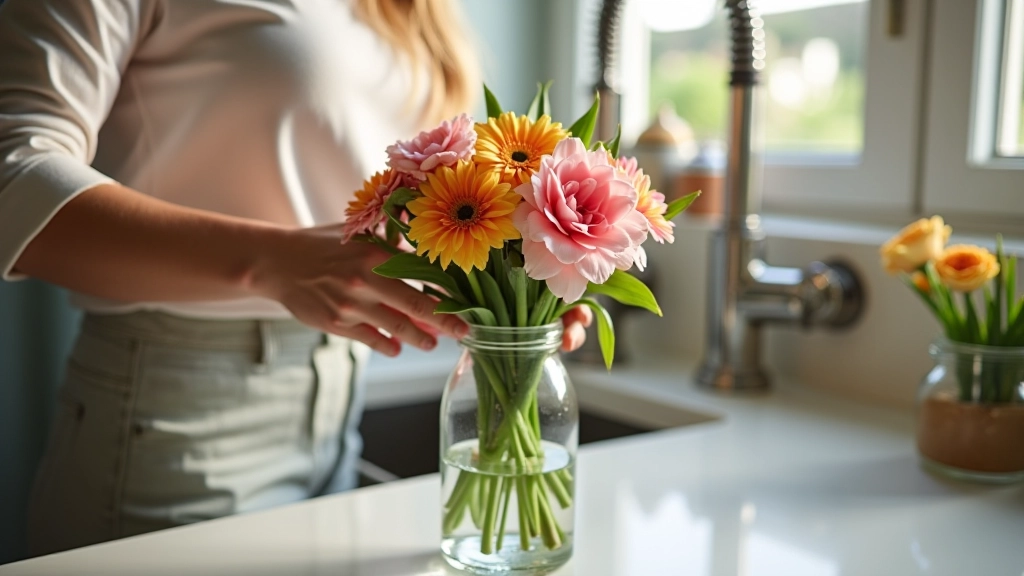
Here's what most people get wrong: they use whatever water comes from the tap. Temperature actually matters. You'll want cool water — not ice cold, just cool. Around 10-15°C is ideal. Cold water slows bacterial growth and helps flowers absorb water more efficiently.
Warm or hot water? Don't do it. It speeds up the wilting process and creates the perfect environment for bacteria to multiply. Change the water every two to three days. When you do, rinse out the vase completely. Even a thin layer of slimy buildup on the inside blocks water absorption.
- Use cool water, not cold or warm
- Change water every 2-3 days completely
- Rinse the vase thoroughly each time
- Fill vase 3/4 full for best results
Trim the Stems — The 45-Degree Cut
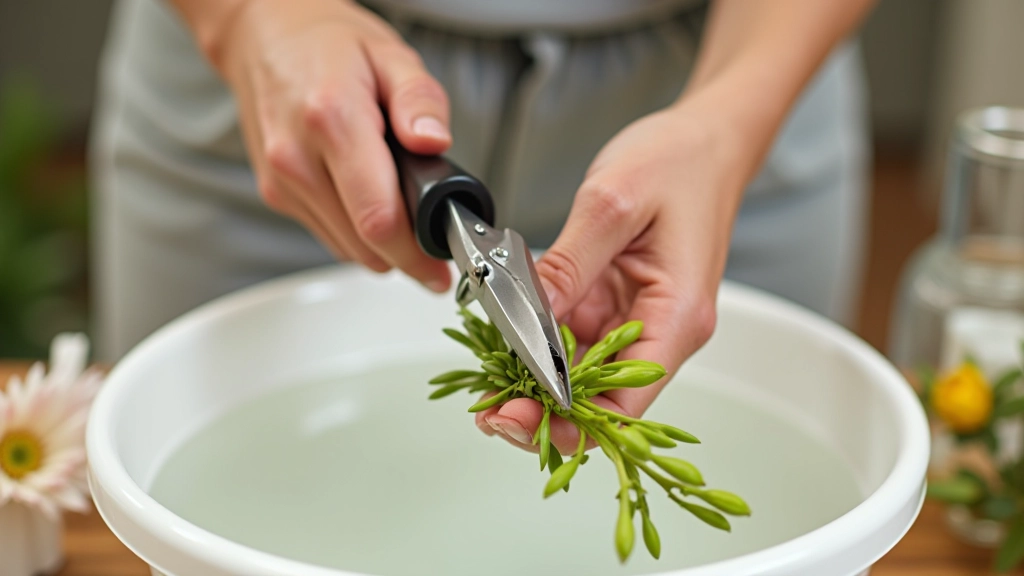
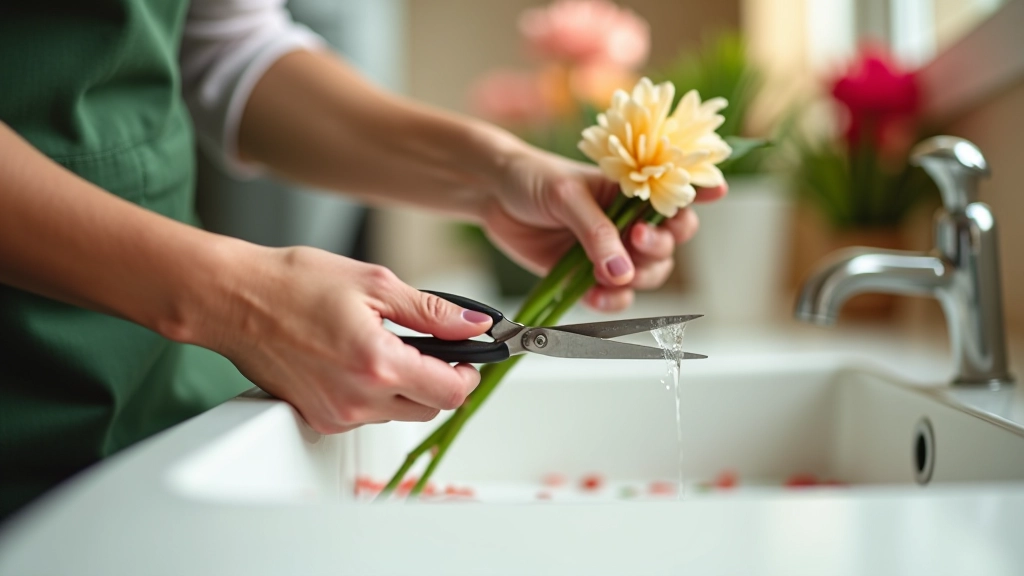
Before you put flowers in water, trim about half an inch off the bottom of each stem. This isn't optional — it's essential. When stems sit in a vase, the cut edge gets exposed to air and bacteria start forming a seal over it. A fresh cut breaks that seal and opens the stem back up for water absorption.
The angle matters too. Cut at a 45-degree angle rather than straight across. You're creating more surface area for water absorption. Do this under running water if you can — it keeps air bubbles from entering the stem, which blocks water flow. Use sharp florist scissors or a knife. Dull tools crush the stem and make things worse.
Quick tip: Trim stems every few days, not just once. Each time you change the water, take off another quarter-inch. It keeps that water absorption going strong.
Location Affects Longevity
Where you put your vase is just as important as what you put in it. Direct sunlight? Move them. Heat from a radiator or air conditioning vent? Not ideal. Flowers in direct sun wilt faster because they lose water more quickly. Keep them in a cool spot with indirect light.
Fruit bowls and flowers don't mix either. Ripening fruit releases ethylene gas, which speeds up flower aging dramatically. Same goes for flowers near heating vents or in drafty spots. You're looking for a stable, cool environment with gentle light. A shelf in a living room away from direct sun? Perfect. Right next to the kitchen window in summer? Not great.
Also, keep flowers away from electronics. That TV or computer isn't going to directly harm them, but the heat buildup nearby does. Think of it like finding a spot where you'd feel comfortable — cool, stable, with nice light. That's what flowers want too.
Remove Lower Leaves and Add Flower Food
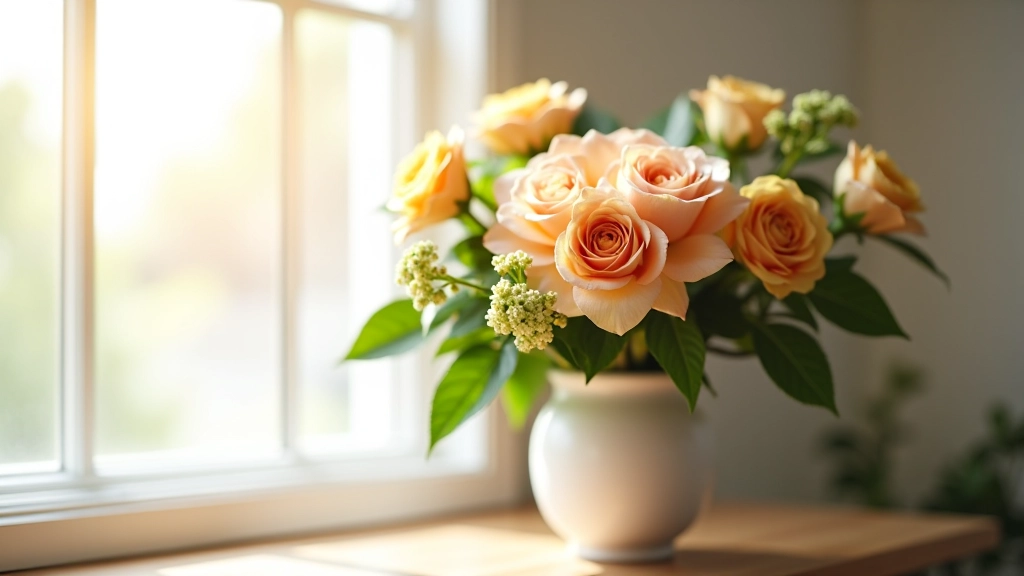
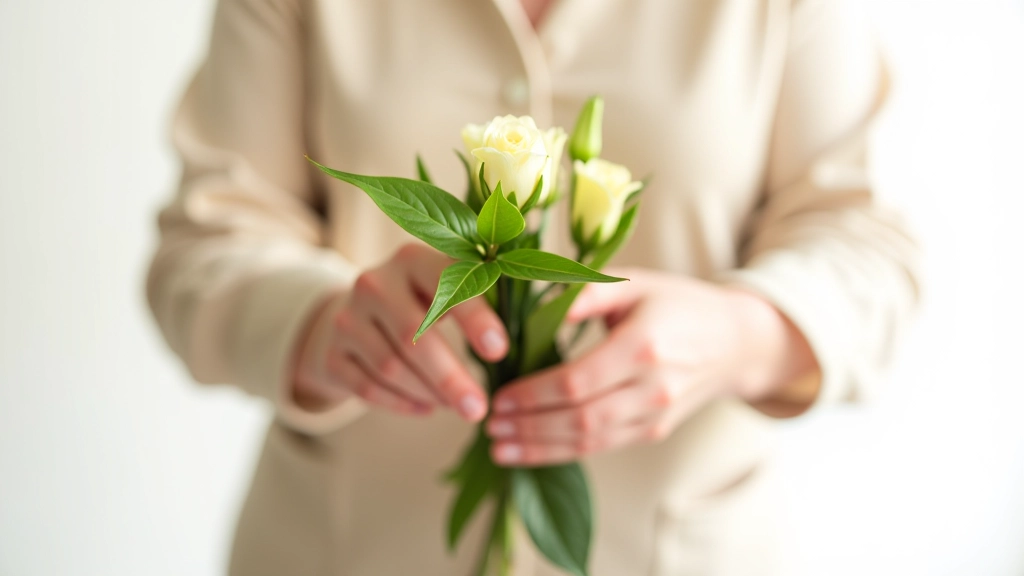
Any leaves below the waterline? Remove them. Submerged leaves rot quickly and create a bacteria farm in your vase. Pull off everything that would be underwater. This alone makes a huge difference in how long your flowers last.
Most bouquets come with a packet of flower food. It's not fancy — just a mix of nutrients, a biocide to slow bacterial growth, and sugar for energy. Use it according to the packet instructions. If you don't have it, you can make a simple version at home: a teaspoon of sugar and a few drops of bleach in a liter of water. The sugar feeds the flowers, the bleach keeps bacteria down.
Some people skip the food thinking flowers will be fine without it. They'll last longer with it. Not just a day or two longer — sometimes several days longer. It's worth the small effort.
The Real Secret Is Consistency
None of these techniques are complicated or require special equipment. Cool water, fresh cuts, good placement, and regular maintenance. That's it. The flowers don't need much — they just need you to stay consistent with these basics.
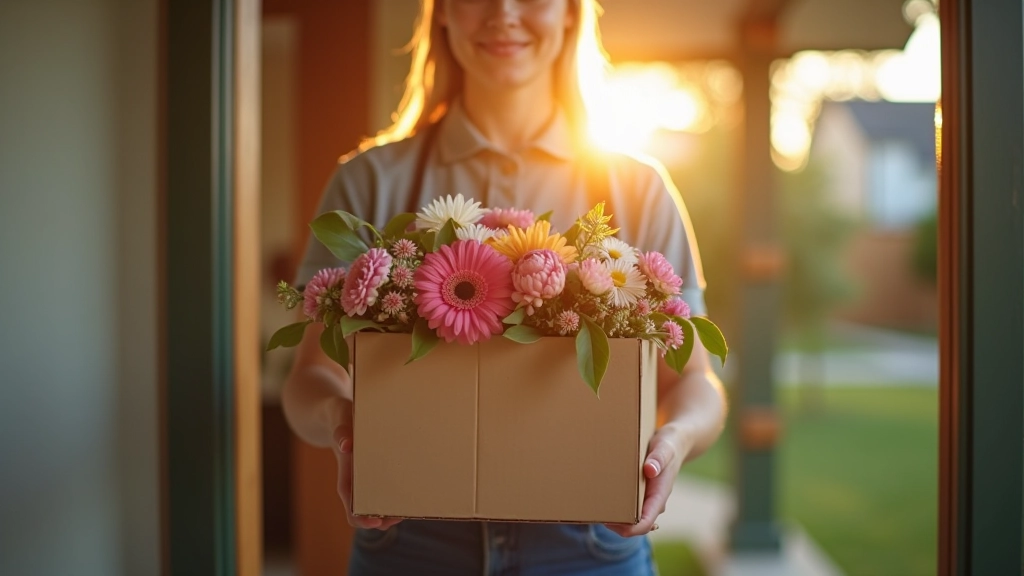
Here's the thing: flowers from a weekly subscription service are fresher when they arrive than flowers from a grocery store. They're cut more recently, which means they have more life left in them. But even premium fresh flowers will wilt fast if you don't take care of them properly. Apply these tips and you'll see flowers lasting two weeks or longer. It's not magic — it's just understanding what flowers need and giving it to them.
Disclaimer
This article provides general information about flower care for educational purposes. While these tips are based on common florist practices and plant biology, individual flowers and arrangements may respond differently depending on variety, age at delivery, and your specific environment. For specific concerns about particular flower types or if flowers show signs of disease, consult with a local florist. Results may vary based on water quality, temperature fluctuations, and other environmental factors.