quiromoor Logo Quiromoor Contact Us
Contact Us

Seasonal Flowers in Kaunas — What's Available When

Spring brings tulips and daffodils. Summer offers roses and lavender. We break down what's in season and why it matters for your subscription.

9 min read All Levels July 2026
Different types of flowers arranged separately showing roses, tulips, hydrangeas, and daisies
quiromoor Editorial Team

Quiromoor Editorial Team

Editorial Team

Written by the quiromoor editorial team, focused on practical guidance for fresh flower subscriptions in Kaunas.

Understanding Seasonal Availability in Kaunas

If you're subscribing to fresh flowers, knowing what's actually in season makes a real difference. You'll get fresher blooms, better prices, and flowers that last longer in your vase. Plus, seasonal arrangements feel more connected to the time of year — there's something satisfying about having spring tulips when tulips are supposed to bloom.

Kaunas sits in Central Europe, which means we get four distinct seasons. This shapes what growers can cultivate and what arrives at doorsteps throughout the year. The local flower market reflects this — some weeks you'll see abundance of certain varieties, other times you're looking at imports or greenhouse-grown alternatives.

Why Season Matters for Your Bouquet

Seasonal flowers aren't just about aesthetics — they're about longevity. A rose grown outdoors in June stays fresh for 2-3 weeks. An imported rose in December might last 10 days because it's traveled further and sat in cold storage. Local, in-season blooms are picked at peak ripeness and get to you faster.

There's also economics involved. When tulips are blooming locally in spring, they're cheaper and more abundant. In August, you're paying premium prices for imports. Smart subscribers time their orders around peak seasons to get the best quality at reasonable rates.

  • Longer vase life (2-3 weeks for seasonal blooms)
  • Better fragrance and color intensity
  • More sustainable sourcing
  • Supporting local growers
Close-up of spring tulips in various colors arranged together in soft natural light

Spring (March to May)

Spring in Kaunas is when local growers really start producing. The season kicks off with early bulbs — snowdrops and crocuses in March — but those aren't common in bouquets. What matters for subscriptions is that tulips, daffodils, and hyacinths flood the market from late March through May.

Tulips are the star of spring. You'll find dozens of varieties — simple single petals, parrot tulips with ruffled edges, doubles that look almost like peonies. Colors range from classic reds and pinks to unexpected purples and deep burgundies. Daffodils bring sunny yellows and creams. It's the most colorful time of year, and prices are reasonable because supply is genuinely abundant.

Late spring (May) also introduces peonies, though these are often greenhouse-grown even in spring. You might see ranunculus — delicate-looking but surprisingly long-lasting flowers with dozens of paper-thin petals. Garden roses start appearing too, with fuller, more romantic blooms than standard roses.

Spring Peak: Late March through April. This is when you'll find the freshest tulips and the widest color selection.

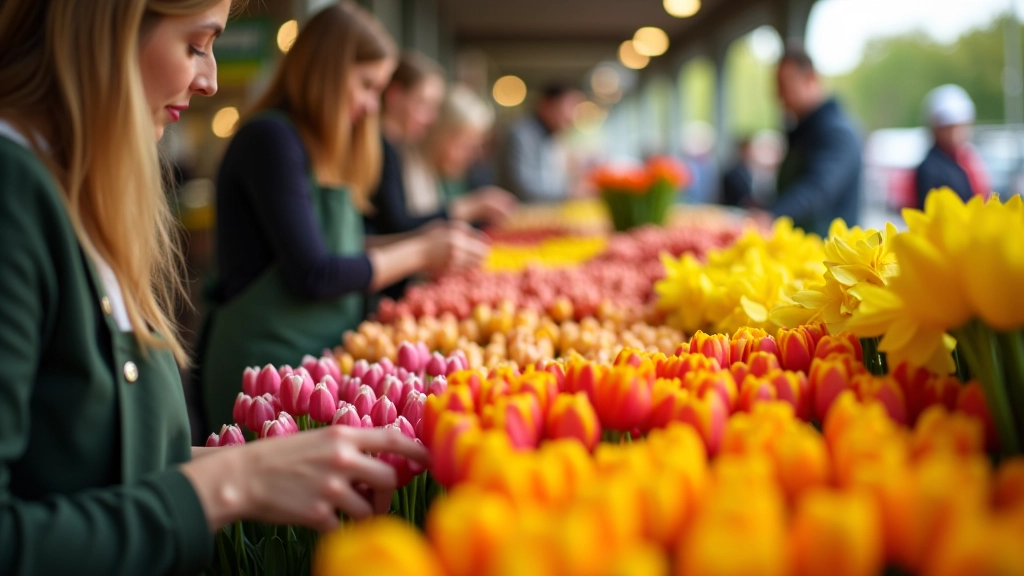
Vibrant spring flower market stall with rows of fresh tulips and daffodils in multiple colors and varieties
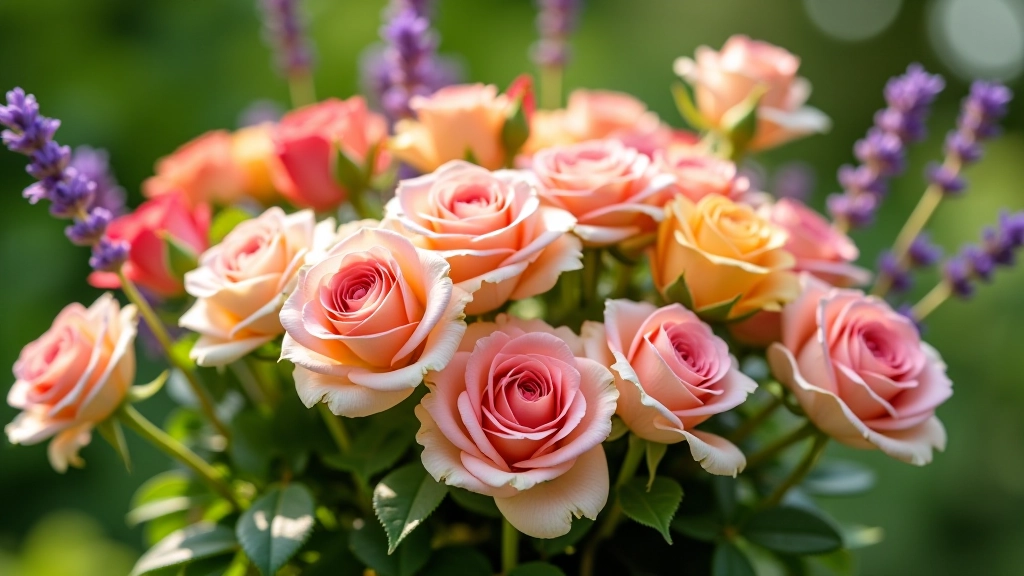
Lush summer garden with blooming roses, lavender, and sunflowers in full sunshine

Summer (June to August)

Summer's the season when roses dominate. Local greenhouse production peaks, and you'll see roses in every color imaginable. The heat and long days create ideal growing conditions. You'll also get sunflowers — big, cheerful blooms that scream summer — and lavender, which brings fragrance and those calming purple tones.

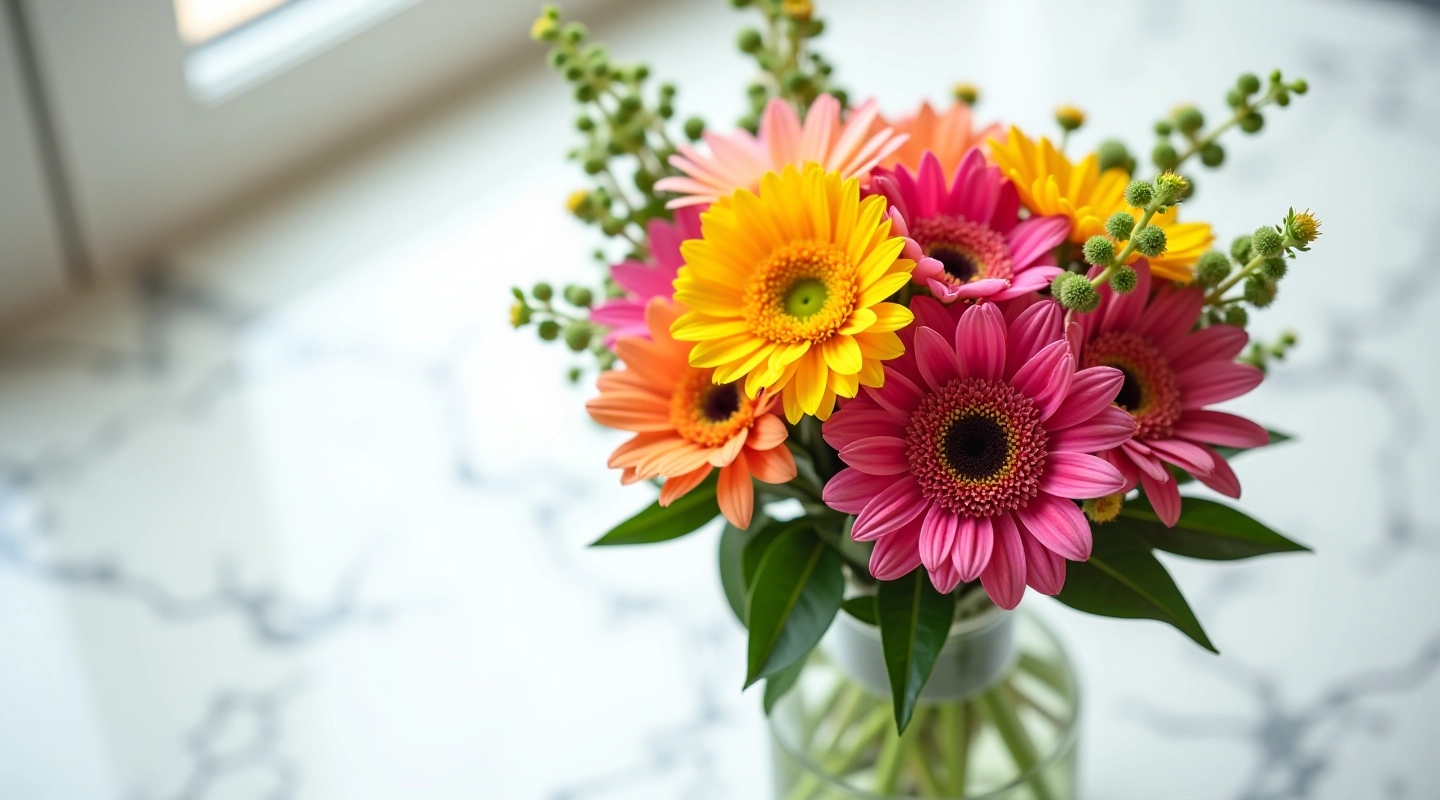
Lisianthus appears in summer too. These flowers look delicate but they're actually quite sturdy. They've got the appearance of roses or peonies but with a more ethereal quality. Zinnias are common — colorful, full-petaled flowers that come in nearly every hue. Dahlias start showing up in late summer, offering dramatic, sculptural blooms in shades of red, orange, and pink.

One thing to note: summer heat is tough on cut flowers. Arrangements don't last quite as long as spring ones. Keep them out of direct sunlight and change water every two days. That's why florists recommend cooler times of day for summer deliveries — you want your bouquet arriving when it's not at peak heat.

Summer Challenge: Roses are abundant but vase life is shorter due to heat. Request arrangements for cooler rooms or ask about extra flower food packets.

Autumn (September to November)

Autumn brings a shift toward warmer tones. Dahlias really shine in fall — they're at their peak in September and October. You'll see asters, which look similar to daisies but with more delicate petals. Chrysanthemums flood the market — they're traditional, affordable, and come in nearly every color except true blue.

Sunflowers transition from summer's giant varieties to smaller, more nuanced cultivars. There's also solidago (goldenrod) — yellow, feathery sprays that add texture and that golden autumn feeling. Celosia (cockscomb) brings velvety, unusual textures in deep reds and purples. Hypericum berries add pops of bright orange and red.

Late autumn (November) is when things start winding down. You'll see chrysanthemums still, but also the first hints of what's coming — early holiday greenery, preserved leaves, and foliage arrangements that'll dominate December. This is when local supply starts thinning and imports increase.

Autumn Sweet Spot: Mid-September through October offers the best selection of dahlias and the most interesting color palettes.

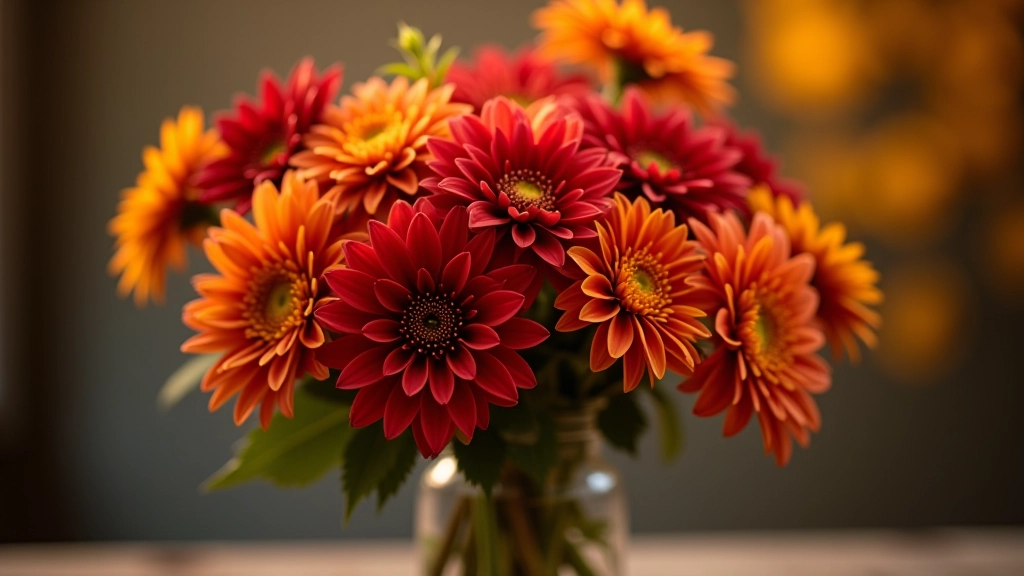
Autumn flower arrangement featuring dahlias in deep reds and oranges, golden leaves, and warm-toned foliage
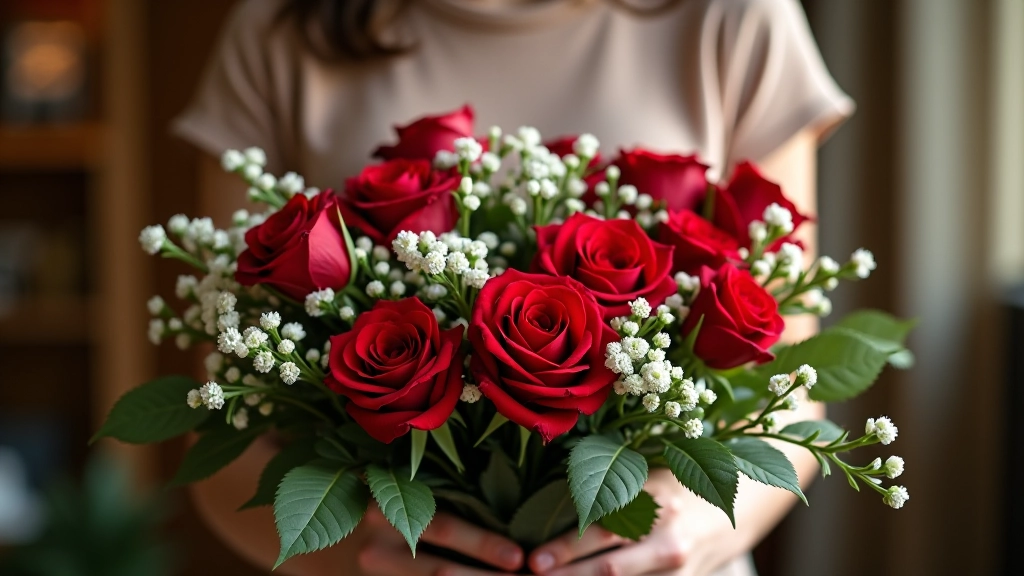
Winter holiday arrangement with red roses, white and burgundy flowers, green foliage, and subtle seasonal accents

Winter (December to February)

Winter is when local production nearly stops. You're mostly looking at imports and greenhouse stock. Roses are available but pricier. Carnations become more common — they're affordable, durable, and underrated if you ask us. They last 3-4 weeks in a vase, which is longer than most flowers.

Holiday season (December) brings a shift toward festive arrangements. Red and white roses, burgundy carnations, lots of evergreen foliage, gold and silver accents. January and February are quieter months. Prices are higher because everything's imported. This is when subscription services might offer slightly smaller arrangements or suggest focusing on long-lasting varieties like carnations and hypericum.

Late February is interesting — you'll start seeing early spring imports. Ranunculus from warmer regions begins appearing. Tulips from Holland start trickling in. It's the transition month where you can get a taste of what's coming while still in winter.

Winter Reality: Expect higher prices and smaller arrangements. Plan for 3-4 week vase life. Carnations and hypericum are your best bets for longevity.

Practical Tips for Seasonal Subscriptions

Knowing the seasons helps you get better value and fresher flowers. Here's how to work with seasonal availability:

1

Plan Around Peak Seasons

Subscribe in spring and early autumn when you'll get the freshest, most abundant selections. Summer's good too, but expect shorter vase life due to heat.

2

Communicate Your Preferences

Tell your florist what you like. They'll work with seasonal availability but can prioritize certain colors or flower types when options exist.

3

Embrace Seasonal Variety

Don't expect the same arrangement every month. The best part of seasonal subscriptions is getting different flowers as the year changes.

4

Adjust Care Routines

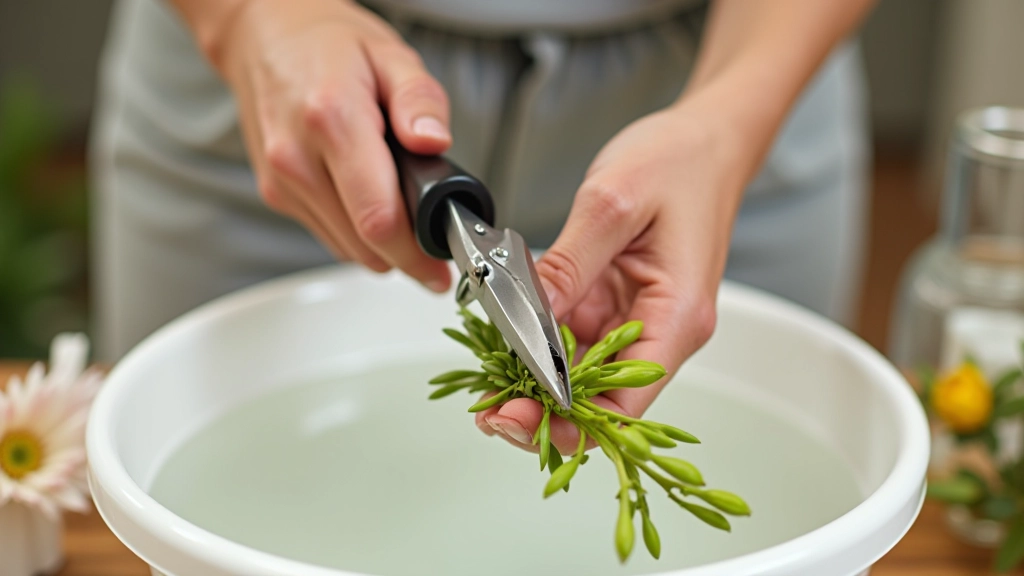
Winter blooms need more frequent water changes. Summer flowers benefit from cooler placement. Spring and autumn flowers are most forgiving.

Working With the Seasons

Seasonal flowers aren't a limitation — they're an advantage. You're getting fresher blooms that last longer and cost less. Your subscription becomes a real connection to the time of year, not just a standing order that stays the same every month.

Spring tulips taste like spring. Summer roses feel like warmth. Autumn dahlias match the season's mood. Winter carnations are reliable through the quiet months. Understanding what's available when helps you appreciate the rhythm of the year and get the most from your subscription.

Next time your delivery arrives, you'll know exactly why you got those particular flowers. They're there because they're thriving right now, because they'll look beautiful in your space, and because they're built to last.

About This Guide

This article provides general information about seasonal flower availability in Kaunas. Actual availability depends on local growing conditions, weather, and supplier sourcing. Florists may offer different selections based on their relationships with growers and imports. For specific flower requests or seasonal preferences, contact your subscription service directly to discuss what's currently available and when specific varieties are typically in stock.